
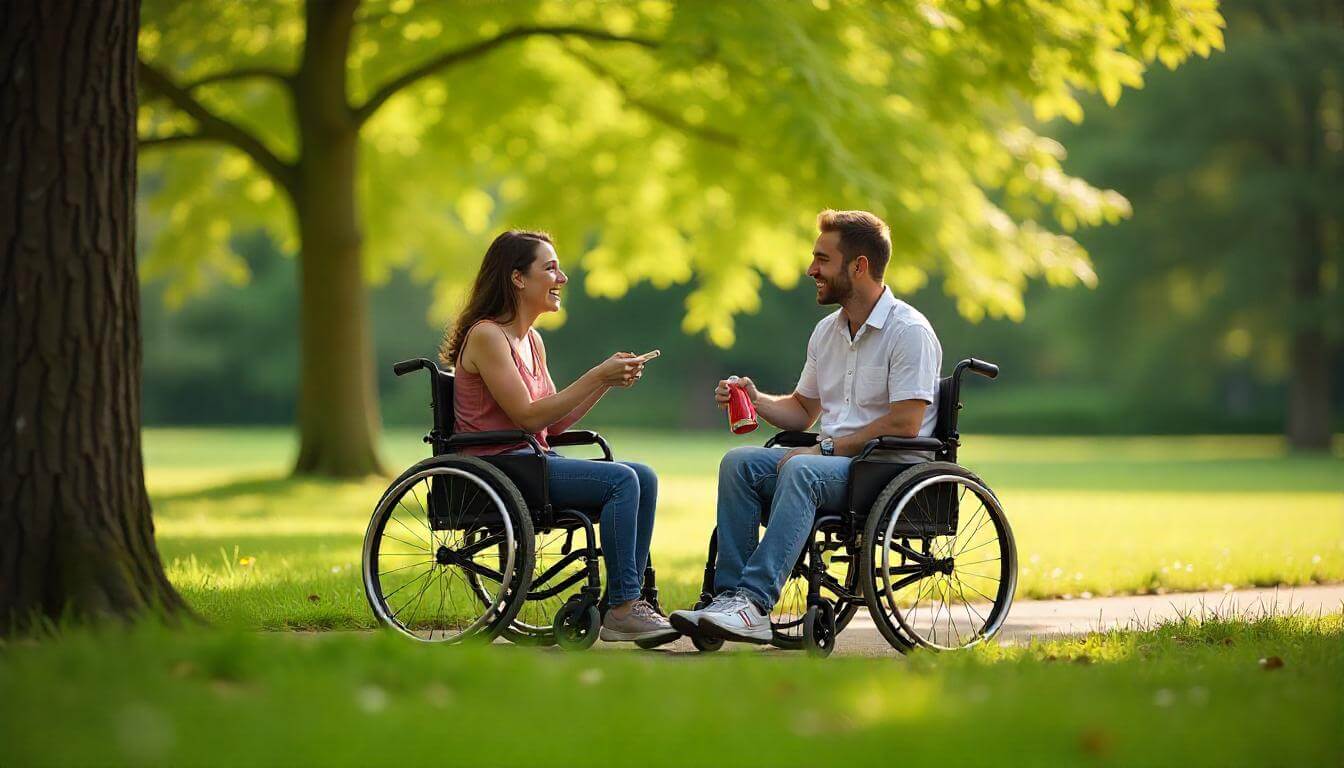
Dating with disabilities in modern society is increasingly understood as a natural and valuable form of human connection. However, perceptions are often influenced by stereotypes that can create unnecessary limitations. A common misconception is that disability defines a person’s ability to form or maintain relationships, while in reality, the core principles of dating remain universal: respect, emotional openness, and authentic interest. One of the main challenges is overcoming pre-existing assumptions. People may unintentionally focus on limitations instead of recognizing personal qualities, shared values, and emotional compatibility. A healthy and respectful approach begins with seeing the individual as a whole person rather than through the lens of disability. This mindset allows interactions to develop more naturally and sincerely.
Inclusive dating is built on several important principles. Openness allows people to approach new connections without judgment or expectations. Respect ensures that individuality is valued and that disability is viewed as only one part of a person’s identity, not the defining factor. Clear communication helps partners express needs and boundaries, strengthening trust and understanding. Equality ensures that both sides contribute to the relationship in a balanced and meaningful way.
Communities such as inclusive dating platforms emphasize that real connection is formed through behavior, not labels or assumptions. When relationships are based on acceptance and genuine curiosity, dating becomes an opportunity to discover compatibility beyond stereotypes. Ultimately, dating with disabilities is not about difference, but about connection. When respect and openness guide interaction, it becomes a natural process of building trust, understanding, and authentic emotional bonds.
Relationship challenges disabilities can create
Relationship challenges connected to disabilities are shaped not only by personal or medical factors, but also by external influences such as social attitudes, infrastructure limitations, and cultural expectations. While all couples face difficulties, disability can introduce additional layers that affect daily interaction, planning, and emotional dynamics within a relationship.
One of the most practical challenges is related to accessibility and routine organization. Limited mobility, health conditions, or specific care needs can influence how partners plan their time together. Everyday activities may require additional preparation, flexibility, or adjustment, which makes cooperation and understanding especially important in maintaining balance.
Social perception also plays a significant role. Stereotypes or misunderstandings about disability can create unnecessary pressure on a couple. External judgments may influence confidence, while internalized assumptions can affect how partners perceive their own relationship. These factors often add emotional complexity that goes beyond the relationship itself. Common areas of difficulty include transportation and accessibility of shared spaces, health-related schedules such as medical appointments or treatment routines, social stigma or insensitive attitudes from others, and the ongoing need to balance independence with mutual support without creating inequality.
Despite these challenges, communication remains the strongest stabilizing factor. When partners openly discuss needs, clarify expectations, and approach obstacles as a team, difficulties become manageable rather than defining. Flexibility and empathy allow couples to adapt together instead of separately. Ultimately, the strength of such relationships is determined not by the absence of challenges, but by the ability to navigate them collaboratively, with patience, respect, and shared understanding.
Love and disabilities in real relationships
In real-life partnerships, love and disability exist together naturally, showing that emotional connection is not defined by physical conditions. What truly forms a strong relationship is not appearance or ability, but trust, respect, and shared emotional experience. When partners focus on each other as individuals, rather than on limitations, a more authentic and stable bond can develop. Intimacy in such relationships grows through everyday actions rather than abstract feelings. Support, attentive listening, and consistent care gradually create a sense of emotional safety. This safety allows both partners to feel accepted and valued, which strengthens the relationship over time. In many cases, facing challenges together can even deepen emotional closeness, as it encourages patience, understanding, and cooperation.
Several key factors support healthy emotional connection in these relationships. Emotional openness allows partners to share thoughts, fears, and vulnerabilities without fear of judgment. Mutual respect ensures that both individuals are recognized for their strengths and treated as equals. Consistency in behavior builds trust, as reliable actions reinforce a sense of stability in daily life. Shared resilience helps couples face external pressures together rather than individually, strengthening their unity.
Ultimately, love in relationships involving disability is shaped by actions, not conditions. When communication is honest and care is consistent, emotional bonds grow naturally. This demonstrates that the depth of love is not limited by physical circumstances, but by the willingness of both partners to understand, support, and grow together.
Avoid fake profiles and scam risks by choosing from our curated list of safe dating websites in Ukraine.
Dating expectations for disabled people
Dating expectations among disabled individuals are shaped by both personal desires and the perceptions of potential partners. While many people seek the same core elements in relationships—respect, emotional closeness, and equality—these expectations can sometimes be influenced or complicated by external stereotypes and assumptions about disability. Because of this, clear understanding between partners becomes especially important.
For people with disabilities, expectations often include being recognized beyond physical conditions and valued for personality, character, and emotional depth. At the same time, partners may expect openness regarding needs, daily routines, or possible lifestyle adjustments. When these expectations are not addressed, misunderstandings can arise, making communication a key factor in building trust. Several principles help create balance in expectations. Honesty ensures that intentions are clear from the beginning, reducing the risk of misinterpretation. Transparency allows both sides to openly discuss needs, limitations, and boundaries. Equality reinforces the idea that both partners contribute to the relationship in meaningful ways. Flexibility helps couples adapt to each other’s circumstances without judgment or pressure.
When expectations are discussed early and sincerely, relationships become more stable and predictable in a positive sense. Misunderstandings decrease, and emotional safety increases, allowing partners to focus on genuine connection rather than uncertainty. Ultimately, aligned expectations create the foundation for healthier relationships. When communication is open and respectful, couples can build trust more easily and develop connections based on understanding, acceptance, and shared emotional goals.
Disability and intimacy explained
Intimacy in the context of disability is often misunderstood due to unnecessary social taboos, yet in real relationships it extends far beyond physical closeness. At its foundation, intimacy is built through emotional safety, trust, and the ability to share personal thoughts and vulnerabilities without fear. These elements create a stable environment where genuine connection can grow. True intimacy develops gradually, as partners move beyond surface interaction and begin to engage on a deeper emotional level. For individuals with disabilities, this process may include navigating practical limitations, but it is also strongly supported by open communication and mutual understanding. Rather than reducing closeness, these circumstances often encourage couples to build stronger emotional awareness and clearer expression of needs.
Several key components define intimacy in such relationships. Trust ensures that both partners feel secure and respected in their boundaries. Emotional safety allows vulnerability to be expressed freely, without fear of rejection or judgment. Consistency in care is reflected in small but meaningful actions that reinforce reliability and closeness over time. Shared adaptability helps partners respond to challenges together, finding ways to maintain connection despite external or practical difficulties.
When intimacy is understood in this broader sense, it becomes clear that it is not limited by physical conditions. Instead, it is shaped by emotional depth, attentiveness, and consistent support. Disability does not restrict the ability to form intimate bonds; rather, it highlights the importance of empathy, communication, and patience in creating relationships that are both stable and deeply fulfilling.
Dating inclusivity and mutual respect
Dating inclusivity refers to creating relationship spaces where differences are acknowledged without judgment and every person feels genuinely valued. In this context, inclusivity is not about ignoring diversity, but about accepting it as a natural part of human connection. It allows relationships to develop in a more authentic and open way, free from stereotypes, assumptions, or social bias. At the core of this approach lies mutual respect. When two people treat each other as equals, they establish a strong foundation of trust and emotional safety. Respect means recognizing individuality, listening without prejudice, and supporting each other’s personal identity while building a shared connection. This balance helps prevent power imbalances and encourages healthier interaction.
Equality in contribution is another essential element. Both partners should feel that their opinions, needs, and efforts matter within the relationship. This sense of balance strengthens stability and ensures that neither side feels overlooked or undervalued. Inclusivity also encourages openness, allowing differences to be discussed honestly rather than avoided.
When inclusivity and respect are consistently practiced, relationships become more resilient and emotionally secure. Partners are better able to communicate, adapt, and support one another through challenges. These values create an environment where trust can grow naturally and connection becomes more meaningful over time. Ultimately, dating inclusivity is about more than acceptance—it is about building relationships where both individuals feel seen, heard, and genuinely appreciated, forming a strong foundation for lasting emotional connection.
Also worth reading: Why emotional distance shows up and what it signals
Relationships with disabilities explained realistically
When examining relationships involving disability from a realistic perspective, it becomes clear that they are not defined by limitations, but by the everyday behaviors and choices that build connection. Instead of focusing on idealized or simplified narratives, it is more accurate to understand these relationships as grounded in trust, communication, and consistent emotional support. The foundation of such partnerships is authenticity. Love develops through repeated actions—showing care, maintaining reliability, and offering support in both ordinary and challenging moments. Promises alone are not enough; what truly matters is how partners behave toward each other over time. This steady consistency helps create emotional safety and strengthens long-term stability.
Mutual respect and adaptability also play a central role. When partners are willing to adjust to each other’s needs and circumstances without judgment, they create a balanced dynamic where both individuals feel valued. Emotional openness allows difficulties to be addressed directly, reducing misunderstandings and reinforcing trust.
At the same time, it is important to challenge stereotypes that reduce disability to limitation. Such assumptions do not reflect the complexity of real human relationships. In practice, strong partnerships are built when individuals recognize each other as whole people, not defined by conditions or external perceptions. Ultimately, relationships involving disability demonstrate that lasting connection depends on patience, empathy, and genuine involvement. When built on respect and consistent action, these relationships are not only stable but deeply meaningful, offering a clear example of how authentic partnership develops beyond surface-level judgments.